Jump starting a car battery means using power from a working battery to restart a dead one, and it usually takes less than 10 minutes. All you need is a set of jumper cables or a portable jump starter, a second vehicle (or the starter’s battery), and about five minutes of patience. This guide walks through every step, the right cable order, common mistakes people make, and what to do if the car still won’t start afterward.
What You Need Before You Start
Before touching a single cable, gather the basics. Having everything ready prevents mistakes and keeps the process quick.
- A set of jumper cables (at least 10 feet long) or a portable jump starter pack
- A working vehicle with a charged battery, unless using a jump starter
- Gloves and eye protection (optional, but smart around battery acid)
- Your car’s owner manual, in case your battery has a non-standard layout
Most drivers in the U.S. keep a set of cables in the trunk year-round, especially in colder states where cold weather drains batteries faster.
Is It Safe to Jump Start a Car Battery?
Yes, jump starting a car battery is safe when done in the correct order and with cables connected to the right terminals. The main risks come from sparks near battery gases or reversing the polarity, both of which are avoidable by following the steps below carefully.
Skip the jump start if the battery case is cracked, swollen, or leaking fluid. A damaged battery can be dangerous to work with, and it’s safer to call for roadside help or a tow in that case.
How to Jump Start a Car Battery (Step-by-Step)
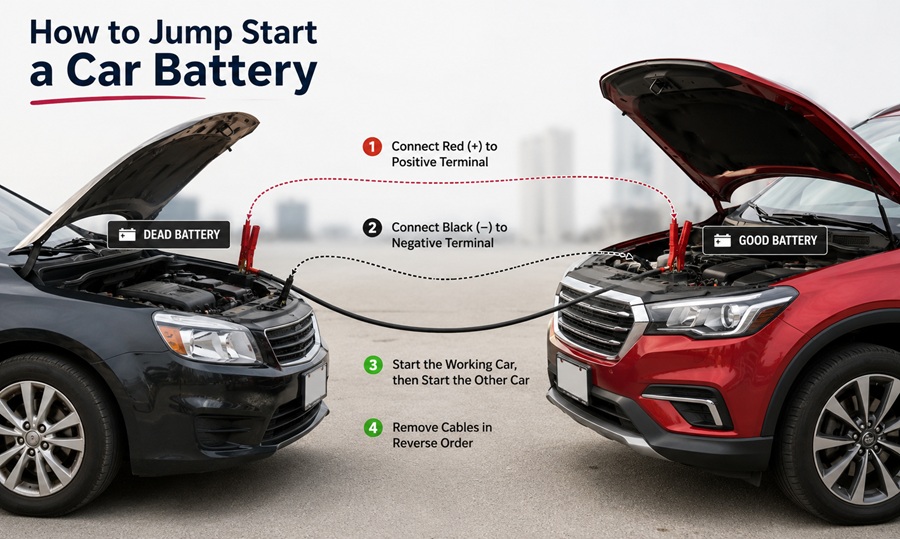
Follow these five steps in order every time. Reversing any of them can damage the electrical systems in either vehicle.
Step 1: Position the Cars
Park the working car close to the dead one, hood to hood or side by side, close enough for the cables to reach both batteries. Turn off both engines and set the parking brakes.
Step 2: Connect the Cables in the Right Order
- Red clamp to the positive (+) terminal on the dead battery
- Red clamp to the positive (+) terminal on the working battery
- Black clamp to the negative (-) terminal on the working battery
- Black clamp to an unpainted metal surface on the dead car’s engine block, away from the battery
That last connection point matters. Grounding the final clamp away from the battery reduces the chance of sparks near battery gases.
Step 3: Start the Working Car
Let the working car run for two to three minutes. This sends charge into the dead battery and gives it enough power to turn over the engine.
Step 4: Start the Dead Car
Try starting the car with the dead battery. If it doesn’t start right away, wait another few minutes and try again. If it still won’t start after a few attempts, the issue may be more than a drained battery.
Step 5: Remove Cables in Reverse Order
- Black clamp from the once-dead car’s engine block
- Black clamp from the working battery
- Red clamp from the working battery
- Red clamp from the once-dead battery
Removing cables in this order keeps the circuit safely broken without any accidental contact between clamps.
How Long Should You Let the Car Run After a Jump Start?
Let the car run for at least 20 to 30 minutes after a jump start, ideally by driving it rather than idling. Driving allows the alternator to recharge the battery more effectively than sitting still with the engine running.
If the battery was just old or drained by leaving lights on, this drive time is usually enough to get it back to a healthy charge for the next start.
Common Mistakes to Avoid When Jump Starting a Car
- Connecting the clamps in the wrong order or to the wrong terminals
- Letting the red and black clamps touch each other while connected
- Attaching the final ground clamp directly to the dead battery instead of the engine block
- Assuming the battery is fixed after one successful start without checking further
- Using damaged or corroded cables, which reduces the current getting through
What If the Car Still Won’t Start?
If the engine won’t turn over even after a proper jump start, the problem might not be the battery at all. A few possibilities to rule out:
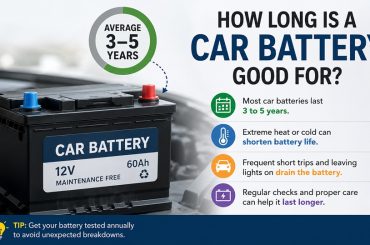
- Bad battery: If it won’t hold a charge at all, it may need replacing, especially if it’s more than three to five years old
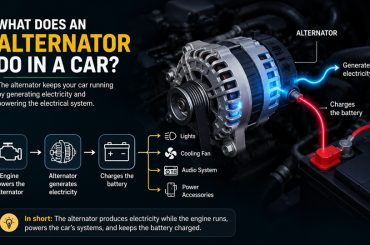
- Bad alternator: If the car starts but dies again shortly after, the alternator may not be recharging the battery while driving
- Bad starter: Clicking sounds with no engine turnover often point to a failing starter motor rather than the battery
An auto parts store or mechanic can test the battery and alternator quickly, often for free, to confirm which part needs attention.
How to Prevent a Dead Battery in the Future
- Turn off headlights, interior lights, and accessories before leaving the car
- Get the battery tested once a year, especially before winter
- Clean corrosion off the terminals with a wire brush and baking soda solution
- Drive the car regularly, since short trips alone don’t fully recharge the battery
- Replace batteries older than four to five years before they fail unexpectedly
Portable Jump Starters vs. Jumper Cables — Which Is Better?
Both work well, but they fit different situations. Here’s how they compare:
| Feature | Jumper Cables | Portable Jump Starter |
| Needs another car | Yes | No |
| Cost | $15-$40 | $50-$150 |
| Ease of use | Moderate | Easy, one person |
| Storage size | Compact | Slightly bulkier |
| Best for | Backup when help is nearby | Solo drivers, remote areas |
Drivers who often travel alone or in areas without much traffic tend to prefer a portable jump starter, since it removes the need for a second car entirely.
Frequently Asked Questions
Can you jump start a car in the rain?
Yes, but keep the connection points dry and avoid standing in puddles while handling the cables. Light rain isn’t usually a problem, but heavy rain or lightning means it’s safer to wait or call for help.
How long does a car battery last after a jump start?
A battery that was just drained, not damaged, should hold a charge normally once it’s recharged by driving. If it dies again within a day or two, the battery itself likely needs replacing.
Can jump starting damage your car?
Jump starting rarely causes damage when done in the correct order. Reversing the cables or letting clamps touch can harm the electrical system, which is why following the steps carefully matters.
A dead battery is one of the most common roadside problems, but it’s also one of the easiest to fix once you know the order of steps. Keep a set of cables or a jump starter in the car, and a dead battery becomes a five-minute delay instead of a stressful ordeal.