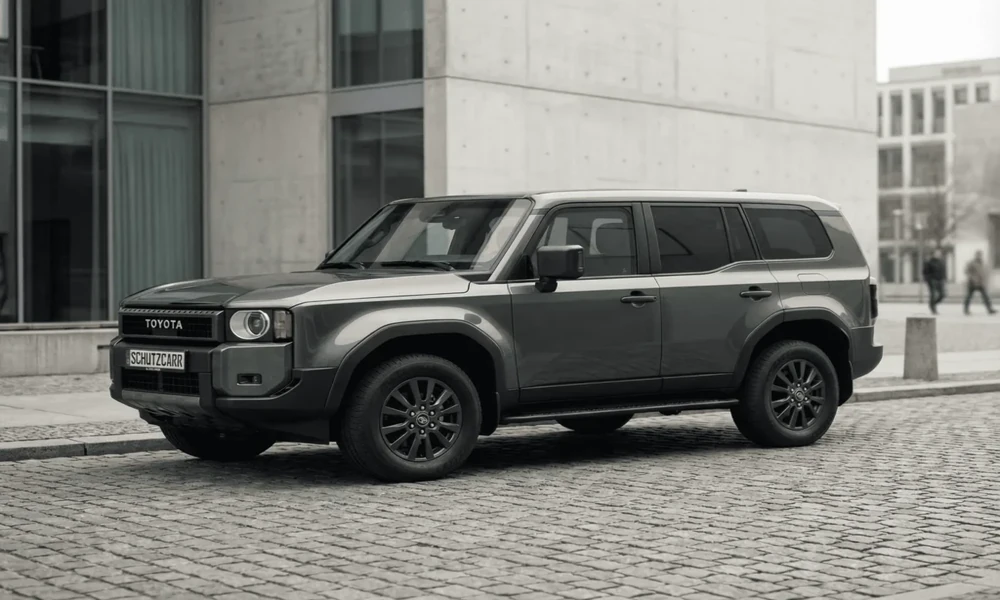
Bullets can shatter glass, blast waves can twist metal, and even a routine commute can turn dangerous in the wrong part of the world. In high-risk regions where threats can emerge without warning, the question is not whether a vehicle looks impressive, but whether it can truly save lives when it matters most. Armored SUVs have become more than status symbols; for many, they are rolling lifelines.
Understanding Armored SUVs: What Sets Them Apart?
What transforms a regular SUV into a fortress on wheels? The answer goes far beyond bulletproof glass. Armored SUVs are engineered to withstand various threats including gunfire, explosive devices, and coordinated ambushes, all while blending into everyday traffic.
Key Features of Armored SUVs
– Ballistic Glass: Multi-layered, transparent armor that resists bullets and heavy impacts.
– Reinforced Structure: Body panels, doors, floors, and even the roof are fortified with specialized steel or composite materials.
– Run-Flat Tires: These allow the vehicle to keep moving even after being punctured or shot.
– Upgraded Suspension and Brakes: Enhanced to support the extra weight of armor while maintaining handling.
Types of Armoring Materials and Technologies
Manufacturers rely on a combination of ballistic steel, ceramics, and composite fibers to balance protection with weight. Transparent armor, commonly known as bulletproof glass, is a complex laminate capable of withstanding high-caliber rounds without shattering inward. The exact mix of materials is determined by the required threat level and intended use.
Common Armored SUV Models and Their Specifications
Some of the most trusted platforms for armoring include the Toyota Land Cruiser, Cadillac Escalade, and Range Rover Defender, each offering ample payload capacity and advanced safety systems. Specifications can range from basic handgun resistance (B4) to protection against high-powered rifles and explosives (B7).
Protection Capabilities in High-Risk Environments
The core value of an armored SUV is its ability to protect occupants when every second counts.
Ballistic Resistance: Levels and Standards
Armored vehicles are graded based on international standards such as the European EN 1063 and the U.S. NIJ 0108.01. These levels specify the caliber and type of ammunition the vehicle can withstand. For instance:
| Protection Level | Threat Resistance | Typical Use Case |
|——————|————————-|——————————-|
| B4 | Handguns (up to .44) | Urban civilian environments |
| B6 | Assault rifles (7.62mm) | High-risk areas, VIPs |
| B7 | Armor-piercing rounds | Extreme-risk environments |
Blast Protection and Structural Reinforcement
In conflict zones, threats like IEDs and grenades are a grim reality. Modern armored SUVs feature underbody plating and reinforced floors to help deflect blast energy away from the cabin, while advanced door seals and mounting techniques prevent shrapnel intrusion.
Security Against Ambushes and Carjackings
Features like overlapping door seams, reinforced locks, and concealed security systems are standard. Some models include escape hatches or smoke screen dispensers, further increasing survivability. These vehicles are designed to buy precious time for occupants to escape danger.
Real-World Performance: Case Studies and Incident Analyses
Incidents from South America to the Middle East highlight cases where armored SUVs have absorbed rifle fire, allowed dignitaries to escape coordinated ambushes, or simply deterred attackers upon realizing the vehicle was fortified. In several documented situations, the difference between an armored and a standard SUV was the difference between life and loss.
Reliability and Practical Considerations
Protection is just the starting point. Reliability under stress, ease of maintenance, and day-to-day driveability matter as well.
Durability Over Time Under Harsh Conditions
Quality armored SUVs are designed for years of service in rough climates. Proper installation prevents armor fatigue and structural corrosion, while premium builds retain their integrity even after extensive use.
Maintenance Challenges and Costs
The added complexity comes with increased maintenance needs. Specialized parts, heavier wear on brakes and suspension, and the necessity for discreet repairs can raise costs. Owners should budget for annual inspections beyond standard automotive service.
Impact on Vehicle Performance and Handling
Weight is the biggest enemy. Armoring can add upwards of 1,500 pounds, which impacts fuel economy and acceleration. To counteract this, manufacturers upgrade engines, brakes, and suspensions, striving to maintain the original vehicle’s feel as closely as possible.
Integration of Luxury and Functionality
Surprisingly, most armored SUVs retain their original comfort and amenities, from leather interiors to advanced infotainment. The goal is to blend security with a seamless driving experience.
Choosing the Right Armored SUV for Your Needs
Not every high-risk area is the same, and neither are the requirements for protection.
Assessing Threat Levels and Regional Risks
Security experts recommend starting with a threat assessment: Are you facing potential street crime or the risk of targeted attacks? The region you operate in will determine whether a B4 or B7 level of protection is warranted.
Matching Vehicle Features to Security Requirements
Some environments demand maximum ballistic protection, while others may prioritize mobility and discretion. It is critical to align the vehicle’s features with your actual risk profile.
Customization Options and Upgrades
Features like sirens, emergency lighting, and communication systems can all be integrated. Top armoring firms offer bespoke upgrades, letting buyers tailor their SUVs to unique needs.
Working with Trusted Manufacturers and Installers
Always look for certified specialists with documented experience. For example, the Troy Armoring armored suv line is recognized for combining rigorous safety standards with customization to regional demands.
Legal and Insurance Implications
Owning an armored vehicle is not as simple as signing a check.
Regulations Governing Armored Vehicles
Local laws vary: some regions restrict civilian use of certain armoring levels, while others require specialized registration or permits.
Insurance Considerations and Premiums
Insuring an armored SUV is more complex and comes with increased premiums due to higher vehicle value and parts costs. Be prepared to provide documentation about the armoring process.
Documentation and Certifications Required
Always obtain certificates verifying the level of protection and integrity of all armored components, this is crucial for both legal and insurance purposes.
Future Trends in Armored SUV Technology
The armored vehicle industry continues to evolve, with new advancements on the horizon.
Advances in Lightweight Armoring Materials
Engineers are developing lighter, stronger composites that promise to reduce bulk without sacrificing protection.
Integration of Smart Security Systems
Features like remote immobilization, biometric access, and AI-based threat detection are making their way into next-generation models.
Environmental and Fuel Efficiency Innovations
Electrification and hybrid armoring solutions are emerging as the industry seeks to reduce the environmental footprint without compromising on safety.
The Growing Demand for Civilian Armored SUVs
As global security concerns increase, more civilians are seeking discreet, reliable protection for everyday life, ensuring that armored SUVs remain at the forefront of both security and innovation.
In high-risk areas, an armored SUV is more than transportation; it is peace of mind, wrapped in steel and glass, ready to shield when danger strikes.