Where Did the Bobber Style Come From?
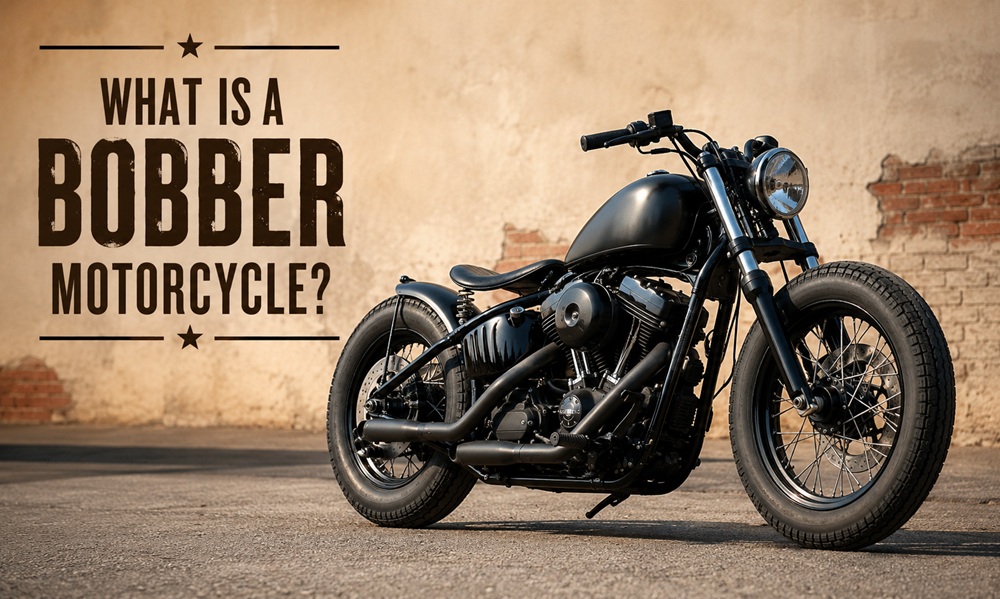
Bobbers started as a homemade trend among returning World War II veterans and everyday riders in the United States. They took heavier factory cruisers, mostly Harley-Davidsons and Indians, and removed anything that added weight without adding performance. This included front fenders, passenger seats, and decorative trim.
The goal wasn’t to build something flashy. It was to make a bike lighter, faster, and simpler to maintain. That do-it-yourself spirit is still at the core of bobber culture today, even though many riders now buy factory-built bobber models instead of building their own.
What Makes a Motorcycle Different From a Chopper?
People often mix up bobbers and choppers, but they follow different design philosophies. A bobber keeps the bike’s original frame and proportions while removing extra parts. A chopper, on the other hand, involves cutting and modifying the frame itself, often stretching the front end and raising the handlebars.
| Feature | Bobber | Chopper |
| Frame | Original, unmodified | Often cut and extended |
| Front End | Stock length | Extended fork, raked angle |
| Fenders | Minimal or bobbed | Usually removed entirely |
| Riding Position | Upright, practical | Laid-back, stretched-out |
| Build Goal | Simplicity and function | Dramatic visual style |
Key Features of a Bobber Motorcycle
- Single, low-profile seat instead of a two-up bench
- Bobbed or removed fenders, especially in the front
- Exposed frame and engine with minimal bodywork
- Simple round headlight and small taillight
- Blacked-out or matte finishes over chrome and flashy paint
- Minimal instrumentation, often just a small speedometer
Common Mistakes People Make With Bobbers
Removing Too Much for Daily Riding
Stripping off fenders and lights looks great in photos, but it makes daily riding harder in rain or at night. If you plan to ride your bobber regularly, keep at least a basic front fender and working lights.
Ignoring Comfort Completely
A hard, minimal seat is part of the bobber look, but riding long distances on one without any padding can lead to a sore back and numb legs. Many riders add a slightly thicker seat pad without changing the bike’s overall profile.
Skipping Suspension Upgrades
Older bobber builds sometimes used a rigid or hardtail rear end, which looks clean but offers zero rear suspension. If comfort matters to you, a softail-style frame gives you the bobber look with a smoother ride.
Next Steps: Should You Buy or Build a Bobber?
If you’re new to motorcycles, buying a factory-built bobber is usually the safer choice. Brands like Harley-Davidson, Triumph, and Yamaha sell factory bobber models with modern brakes, reliable engines, and warranty coverage.
If you already own a cruiser and enjoy hands-on projects, converting your own bike into a bobber can be rewarding. Start small: remove the passenger seat, swap in a solo seat, and bob the rear fender before making bigger changes to the frame or electronics.
Frequently Asked Questions
Are Bobber Motorcycles Good for Beginners?
Factory bobbers with modern brakes and manageable weight can work well for beginners. Custom-built bobbers with stripped-down electronics or no rear suspension are better suited for experienced riders.
Do Bobbers Have Rear Suspension?
It depends on the build. Traditional hardtail bobbers have no rear suspension, while modern factory bobbers usually include a hidden or minimal suspension system for a smoother ride.
What’s the Difference Between a Bobber and a Cafe Racer?
A cafe racer is built for speed and sharp handling, with low handlebars and a forward-leaning riding position. A bobber prioritizes a stripped-down look and upright, relaxed riding posture instead.
Understanding the bobber style helps you decide whether it fits how you actually plan to ride, not just how you want your bike to look parked in the garage.