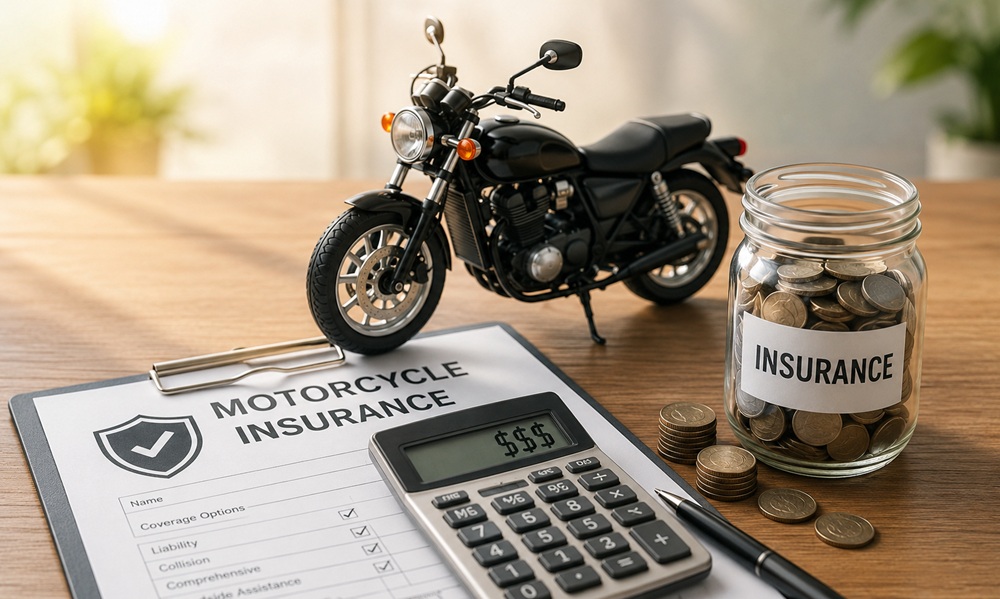
Motorcycle insurance typically costs between $75 and $150 per month, or roughly $900 to $1,800 a year, for a basic liability policy in the United States. Your actual price depends on your bike’s engine size, your riding history, your age, and where you live. Sportbikes and high-performance models often cost more to insure than cruisers or standard bikes because they carry a higher risk of accidents and theft.
What Affects the Cost of Motorcycle Insurance?
Insurance companies look at several factors before setting your rate. Your age and riding experience matter a lot. Riders under 25 usually pay more because insurers see them as higher risk. A clean driving record, on the other hand, can save you hundreds of dollars a year.
The type of motorcycle you ride also plays a big role. A 600cc sportbike costs more to insure than a 250cc cruiser because sportbikes are linked to more accidents and higher repair costs. Where you live matters too. Riders in cities with heavy traffic or high theft rates often pay more than riders in rural areas.
- Rider age and years of experience
- Motorcycle make, model, and engine size
- Location and local theft or accident rates
- Coverage level (liability only vs. full coverage)
- Annual mileage and how the bike is stored
- Credit history in states where it’s allowed
Average Motorcycle Insurance Cost by Bike Type
Here’s a general breakdown of what riders typically pay per year, based on national averages. Your quote may be higher or lower depending on your personal driving record and location.
| Motorcycle Type | Average Annual Cost | Average Monthly Cost |
| Cruiser | $500 – $900 | $42 – $75 |
| Standard/Naked Bike | $600 – $1,000 | $50 – $83 |
| Sportbike | $1,200 – $2,500 | $100 – $208 |
| Touring Bike | $700 – $1,200 | $58 – $100 |
| Scooter/Moped | $300 – $600 | $25 – $50 |
Liability vs. Full Coverage: What’s the Real Difference?
Liability-only insurance covers damage you cause to other people or their property. It’s the cheapest option and meets the minimum legal requirement in most states, but it won’t pay to fix or replace your own bike.
Full coverage adds collision and comprehensive protection. Collision pays for damage to your bike after an accident, while comprehensive covers theft, fire, or weather damage. Full coverage costs more, usually 30 to 50 percent more than liability alone, but it’s worth considering if your bike is newer or financed.
Should You Get Full Coverage on an Older Motorcycle?
If your bike is worth less than $3,000, full coverage may not make financial sense. The payout after a claim could be close to what you’d spend on premiums over a few years. A local mechanic or insurance agent can help you estimate your bike’s actual value before deciding.
How to Lower Your Motorcycle Insurance Premium
- Take a motorcycle safety course. Many insurers offer discounts of 5 to 15 percent for completing one.
- Bundle your motorcycle policy with your auto or home insurance.
- Increase your deductible if you can cover a higher out-of-pocket cost after a claim.
- Store your bike in a locked garage instead of on the street.
- Compare quotes from at least three insurers before renewing your policy.
- Ask about mileage discounts if you ride less than 3,000 miles a year.
Frequently Asked Questions
Is Motorcycle Insurance More Expensive Than Car Insurance?
It depends on the bike and driver. Sportbikes often cost more to insure than an average car because of higher accident rates. Cruisers and standard bikes are frequently cheaper than car insurance for the same driver.
Does My Credit Score Affect My Motorcycle Insurance Rate?
In many states, yes. Insurers use credit-based insurance scores as one factor in pricing. A few states, including California and Massachusetts, don’t allow this practice.
Can I Get Motorcycle Insurance With a New License?
Yes, but expect to pay more until you build a riding history. Some insurers offer a new-rider discount if you complete an approved safety course.
Getting an accurate price means requesting quotes based on your actual bike and driving record. National averages give you a starting point, but your final number will depend on the details insurers see when you apply.