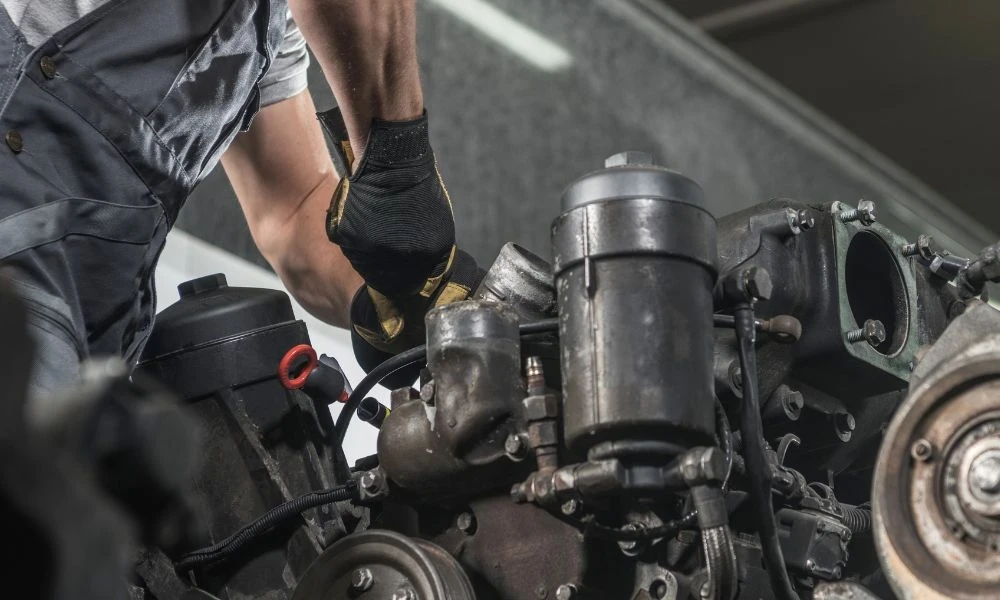
The fuel injection system is the element that puts the correct amount of fuel at the right time into a diesel engine. As an injector, pump, nozzle, or other part begins to fail, it can become apparent in a matter of only a few miles-runs that are rough, starts that are hard, a loss of fuel economy or a loss of power. Therefore, it is essential to select the right replacement component when it comes to maintaining the proper operation of the engine.
Because improper calibration or sub-par manufacturing can instantly degrade combustion efficiency and ruin performance, choosing replacement fuel injection units requires careful attention to exact specifications, part numbers, and component compatibility.
Know Exactly What You Need
When ordering parts, first make sure that you know what engine it is for and which particular part to replace. Write down the engine make, model, serial number and equipment information, if available. Part numbers are particularly helpful. Two injection components can be nearly the same, but have different specifications and may not be interchangeable. You can save the time and money of ordering the wrong part by comparing the part number on the original to the part number on the replacement. When in doubt, get a knowledgeable supplier or tech to verify the part prior to purchase.
Check Compatibility
Fuel injection components have to work as part of a complete system. A physically correct fit injector may still be either flow or pressure-rated, or it may have the wrong nozzle or be incorrectly calibrated for the engine. Be mindful of specifications and don’t just go by the looks. This is especially important when dealing with high-pressure components, nozzles, injection pumps, and injectors. The correct sized match ensures the fuel is delivered to the engine as designed and minimises problems or poor performance.
Don’t Overlook Quality
Under extreme conditions, diesel injection systems are at work. High pressures, heat, vibration and tolerances of less than a micron are applied to components. A badly made or inferior part can impact combustion and can wear out early. It can also cause damage in other parts of the fuel system in some instances. Check for good manufacturers and suppliers, well-defined product specifications, suitable warranties, and proof of standards compliance of components. Initial savings may not be worth it if the part is unreliable.
Use New, Remanufactured or Aftermarket Parts
For some equipment, you can search for a few replacements. New OEM components can be used to replace the original equipment, and for some applications, quality remanufactured parts can be used as an alternative. Aftermarket parts can also be good if they meet the specifications required by the engine and are from a reliable source. Don’t only buy on price, look at the quality, warranty, specifications and the service life.
Check Supplier Support
The fitment and specifications should be answered by a good supplier. Return policies and warranties are also crucial, particularly with high-dollar injection parts. When equipment is required for daily use, reliable shipping can be as important.
Think About the Bigger Picture
The right fuel injection part can assist with the restoration of starting performance, fuel delivery and engine operation. When ordering, check the part number, ensure compatibility, verify quality and check the reputation of your supplier. Taking a bit of care at the purchase will save a lot of frustration later, and keep a diesel engine operating as it was designed to.