
A steering wheel that shakes when you brake almost always points to warped brake rotors. The wobbling happens because the rotor surface is no longer perfectly flat, so the brake pads grip unevenly every time they clamp down. You’ll usually feel it most between 40 and 65 mph, and it tends to fade once you’re off the brakes.
This guide walks through why it happens, how to check it yourself, and what a repair typically costs so you know what to expect before you see a mechanic.
The Problem: What the Shaking Actually Feels Like
Most drivers describe it as a pulsing or wobbling sensation in the steering wheel, sometimes paired with a shudder through the brake pedal itself. It’s different from a vibration you feel while just cruising, which usually points to tires or wheel balance instead.
The shake typically shows up at moderate to highway speeds and gets stronger the harder you brake. On a long downhill grade, where you’re riding the brakes, it can feel almost rhythmic, like the wheel is pulsing in time with each rotation of the tire.
What Causes a Steering Wheel to Shake When Braking?
The leading cause is warped or unevenly worn brake rotors. Heat from hard or repeated braking can cause the rotor surface to develop high and low spots, so the pad contacts unevenly and sends vibration through the steering column. Worn suspension components, loose wheel bearings, and out-of-balance tires can produce a similar feeling, which is why a proper inspection matters before you assume it’s the rotors.
Common Causes, Ranked by Likelihood
- Warped or heat-damaged brake rotors (most common)
- Uneven brake pad wear or material transfer onto the rotor
- Loose or worn wheel bearings
- Stuck or sticking brake caliper
- Worn tie rods, ball joints, or control arm bushings
- Out-of-balance or unevenly worn tires
How Do You Diagnose It Yourself?
Start by braking gently at low speed in an empty lot. If the shake disappears, it’s likely brake-related rather than a wheel bearing or suspension issue. Next, check if the vibration happens only when braking or also while just driving straight. Braking-only vibration usually means rotors; constant vibration points toward tires or bearings instead.
You can also do a quick visual check. With the car safely jacked up and the wheel removed, look at the rotor surface for grooves, discoloration, or an uneven bluish tint, which are all signs of heat damage. A rotor that looks scored or has visible high spots when you run a fingernail across it is usually ready for resurfacing or replacement.
Can You Keep Driving With a Shaking Steering Wheel?
You can drive short distances, but it’s not something to ignore for long. Warped rotors reduce your stopping power and stopping distance, especially in wet weather or emergency braking. If the shake is severe or paired with a grinding or squealing noise, get it inspected within a few days rather than weeks.
Solutions: Resurfacing vs. Replacing Rotors
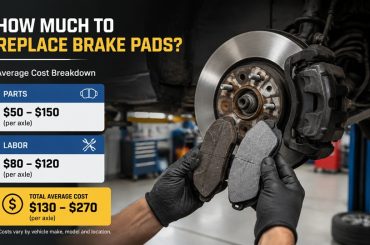
If the rotors still have enough thickness, a shop can resurface them on a brake lathe, shaving a thin layer off both sides to restore a flat surface. This typically runs $20 to $40 per rotor in labor. If the rotors are too thin or already scored, full replacement is the better option and usually runs $150 to $300 per axle, including pads, for most sedans and midsize SUVs.
Many shops recommend replacing both rotors on an axle together, even if only one shows damage, since uneven pairs can cause the shake to return quickly.
Local Insight: Why Rotors Wear Faster in Some Regions
Drivers in northern states that use road salt in winter often see rotors corrode and warp faster because salt accelerates rust on the rotor surface between drives. In hilly regions of the Pacific Northwest and Appalachia, frequent downhill braking adds extra heat cycles that shorten rotor life. If you live in either type of area, it’s worth having your brakes checked every 12,000 miles instead of waiting for a shake to show up.
Drivers in hot climates like Arizona and Texas face a different issue: sustained highway heat combined with stop-and-go traffic braking can push rotor temperatures higher than average, speeding up warping even without rust. Regardless of region, towing or carrying heavy loads regularly adds extra strain on rotors and shortens their service life further.
How to Prevent Rotors From Warping Again
Once you’ve had your rotors resurfaced or replaced, a few habits can help them last longer. Avoid resting your foot on the brake pedal during normal driving, since this builds up unnecessary heat even when you’re not actively slowing down. On long downhill stretches, downshift to let engine braking share the workload instead of relying on your brakes alone.
It also helps to avoid hard braking from high speed whenever possible, since sudden stops generate far more heat than gradual ones. If you tow a trailer or frequently carry heavy loads, ask your mechanic whether upgraded, heavier-duty rotors make sense for your vehicle.
Frequently Asked Questions
How much does it cost to fix a shaking steering wheel from braking?
Expect $150 to $300 per axle for rotor and pad replacement at most independent shops, or less if only resurfacing is needed.
Is it safe to drive with a shaking steering wheel?
Short trips are usually fine, but you should get it inspected soon. Warped rotors reduce braking performance over time.
Can bad wheel alignment cause steering shake when braking?
Alignment issues typically cause pulling to one side rather than shaking, but severe misalignment can contribute to uneven tire wear that adds to vibration.
How long do brake rotors usually last?
Most rotors last between 30,000 and 70,000 miles, depending on driving style, climate, and pad quality.
Can new brake pads fix a shaking steering wheel on their own?
Not usually. If rotors are already warped, new pads alone won’t resolve the vibration, since the uneven rotor surface is the root cause.